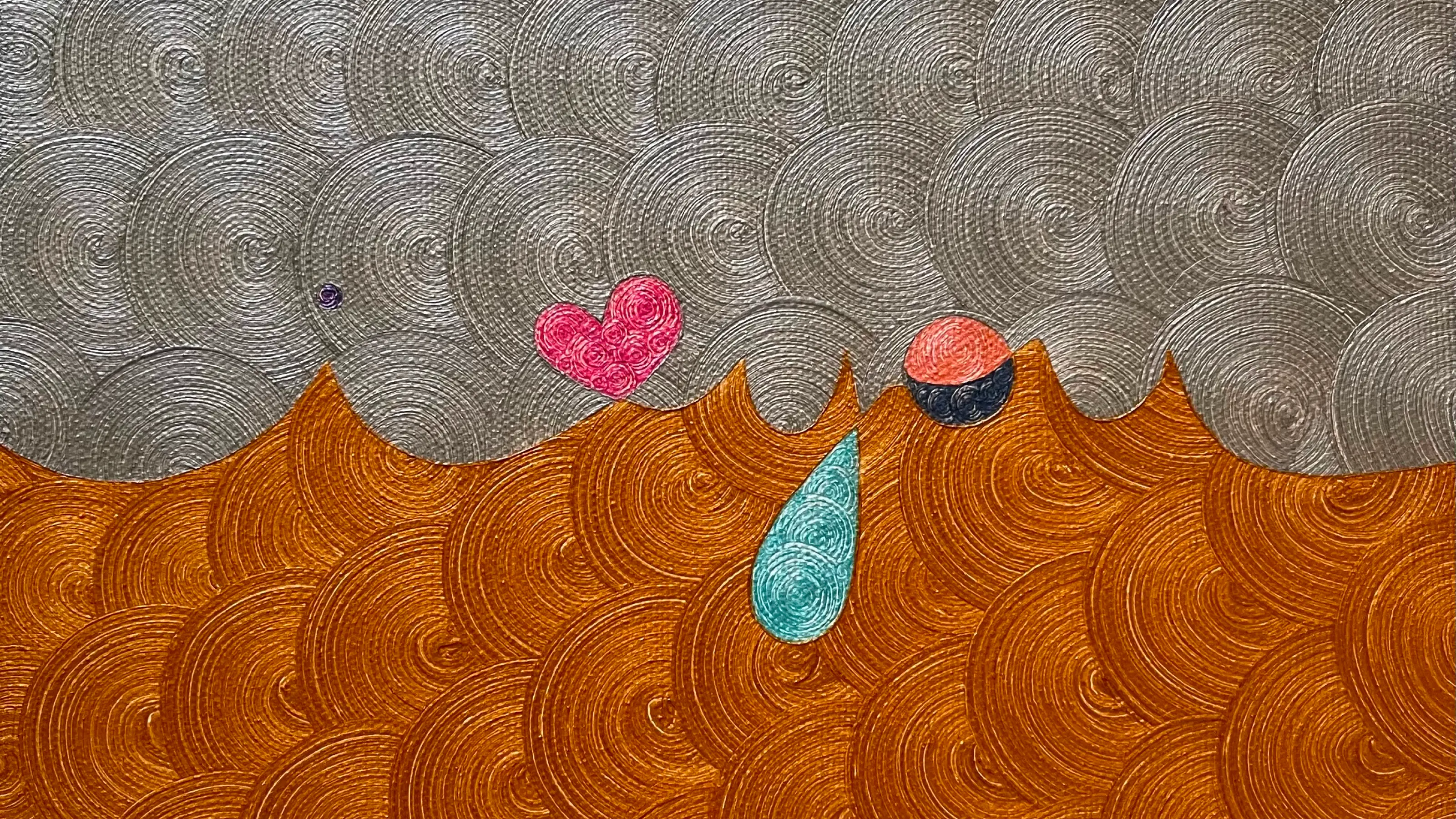
The TwiddleART Technique
is a patented painting technique created by artist Nala Kun that merges abstraction, repetition, and meditative motion into a deeply personal visual language.
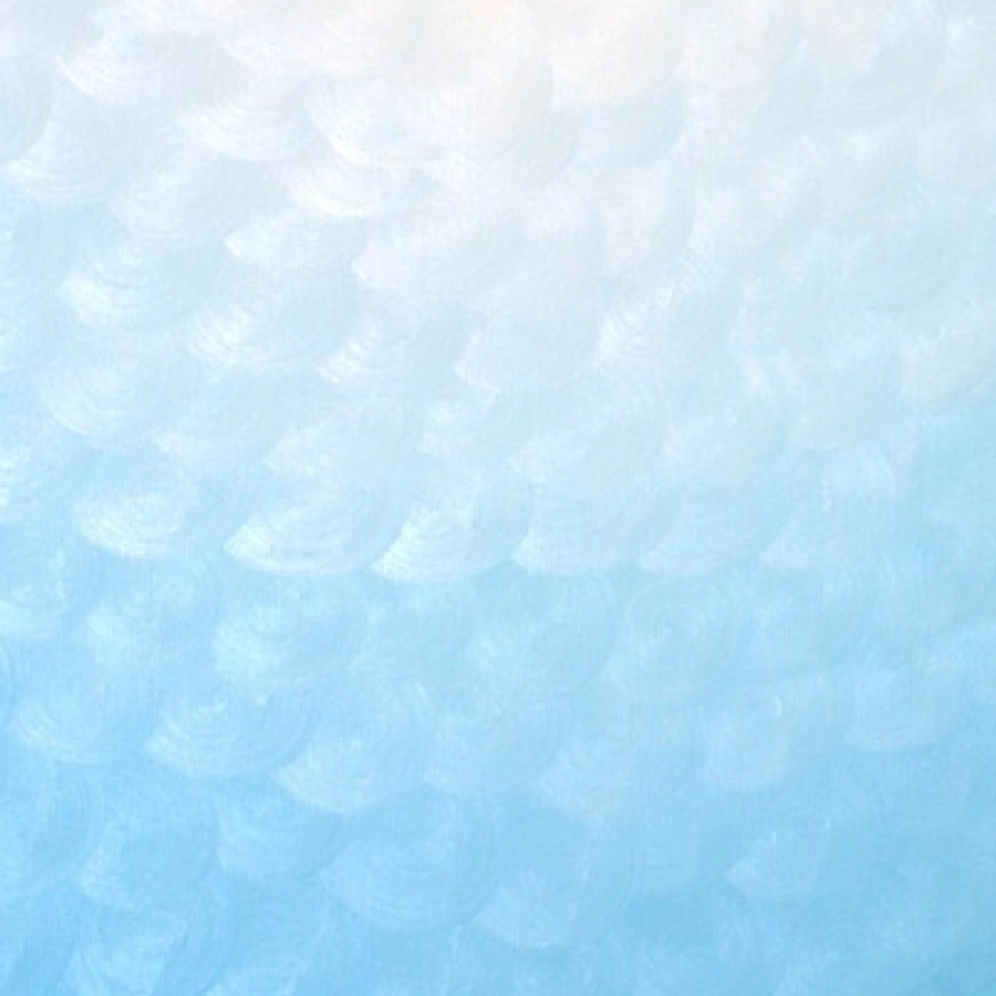
The technique emerged during a period of emotional surrender, when repetitive spiral movement became a way to regain rhythm, breathing, and a sense of inner control. What began as an intuitive act gradually evolved into a distinctive contemporary art practice.
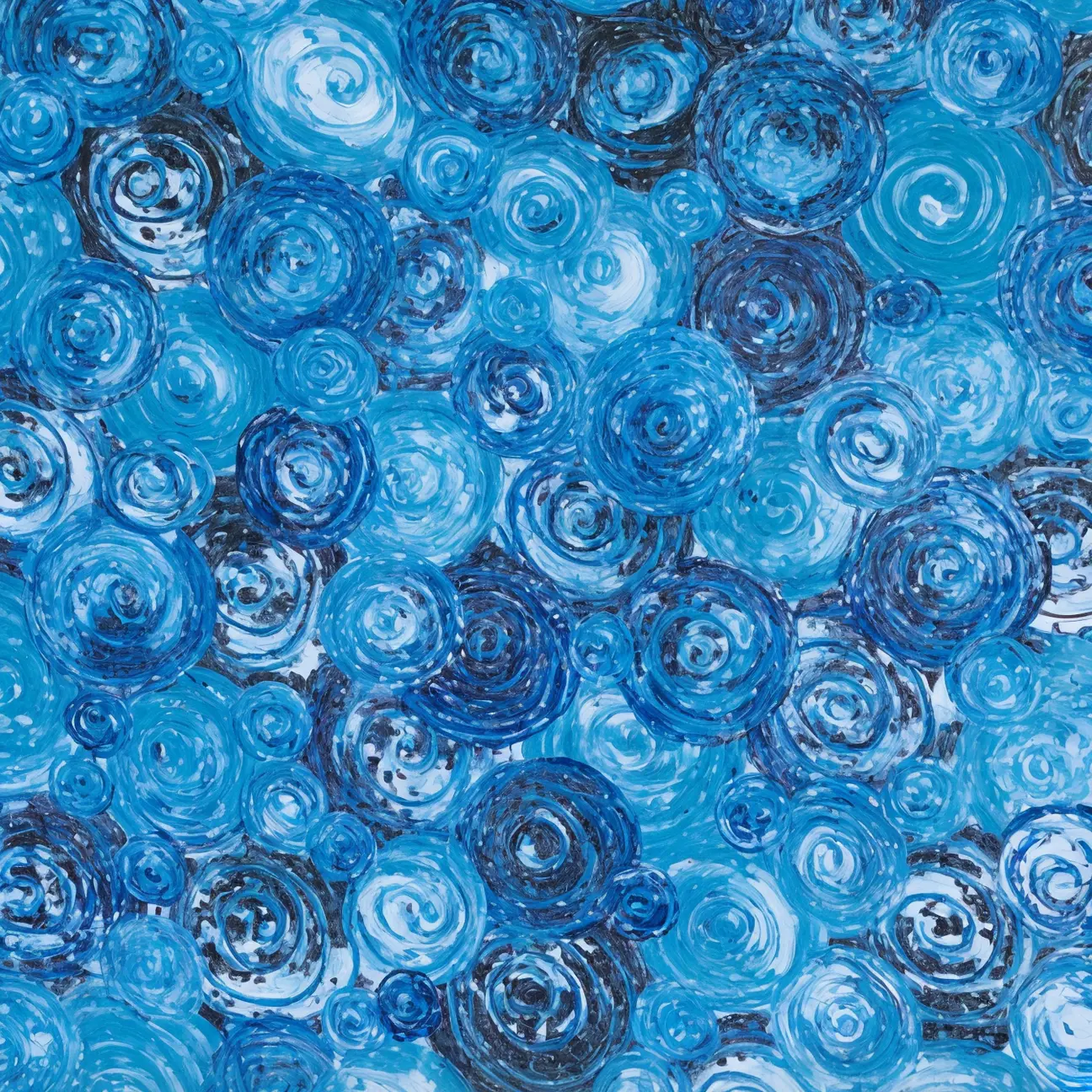
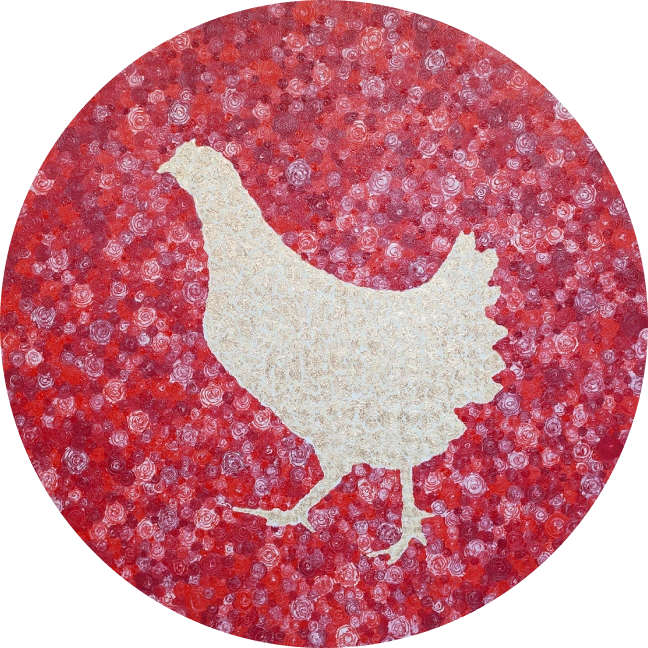
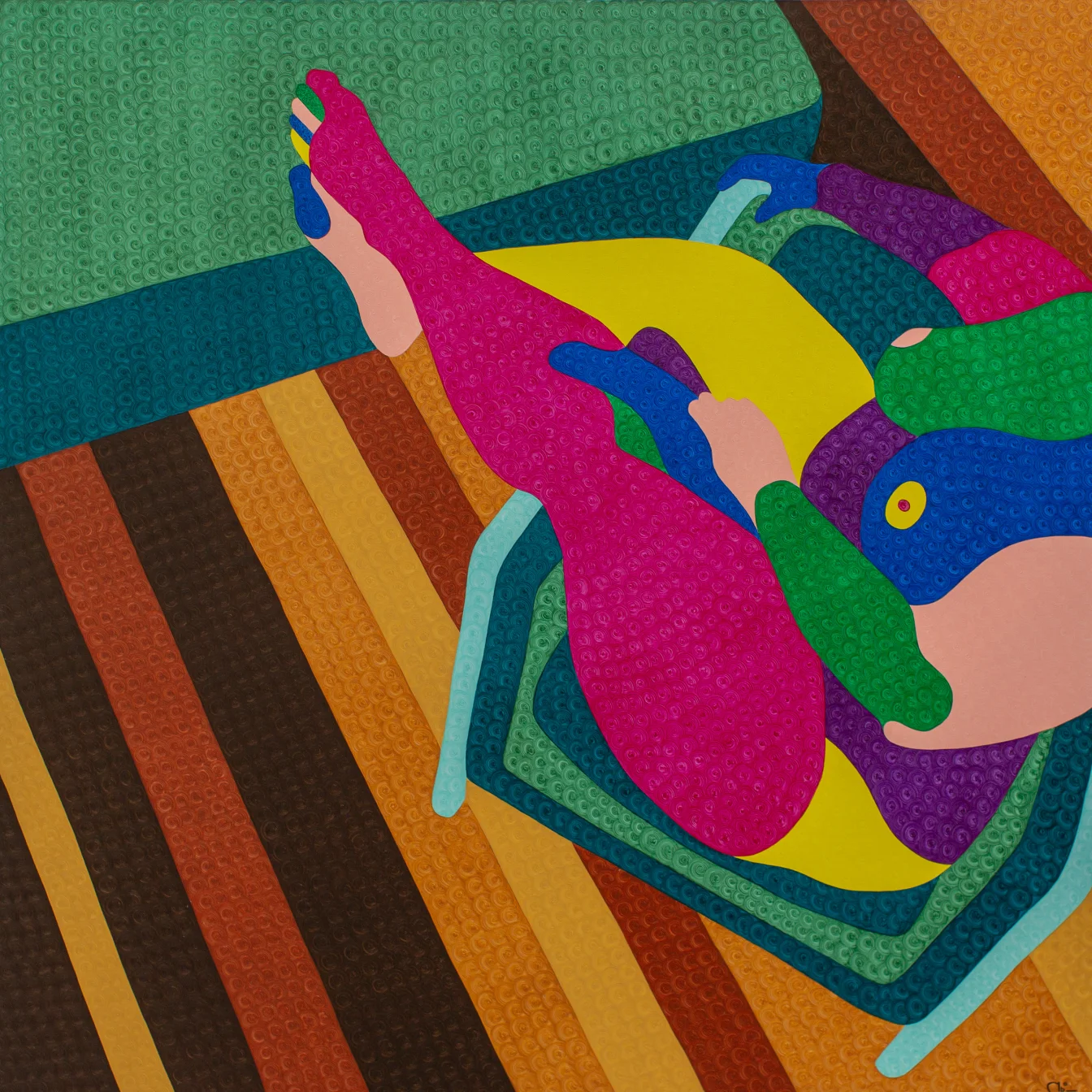
At the center of TwiddleART is the spiral: a form that exists simultaneously as gesture, symbol, and psychological imprint.
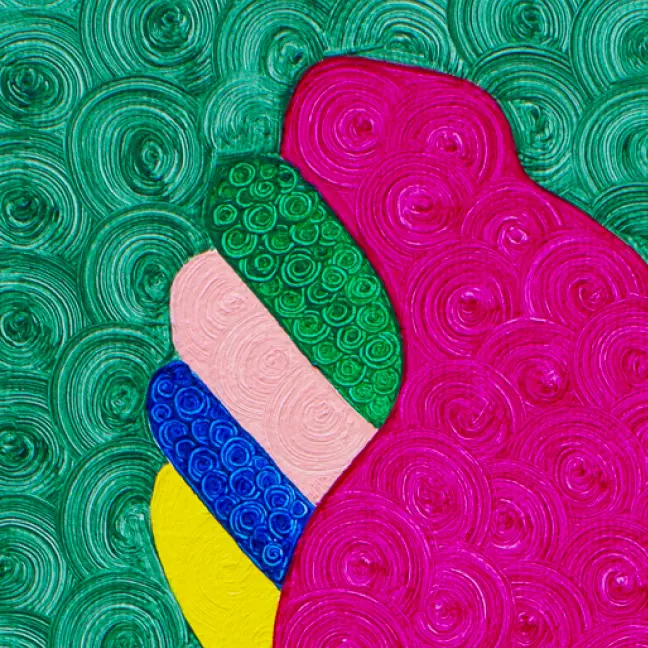
Through thousands of layered hand painted movements, the surface becomes alive with vibration, rhythm, and shifting perception.
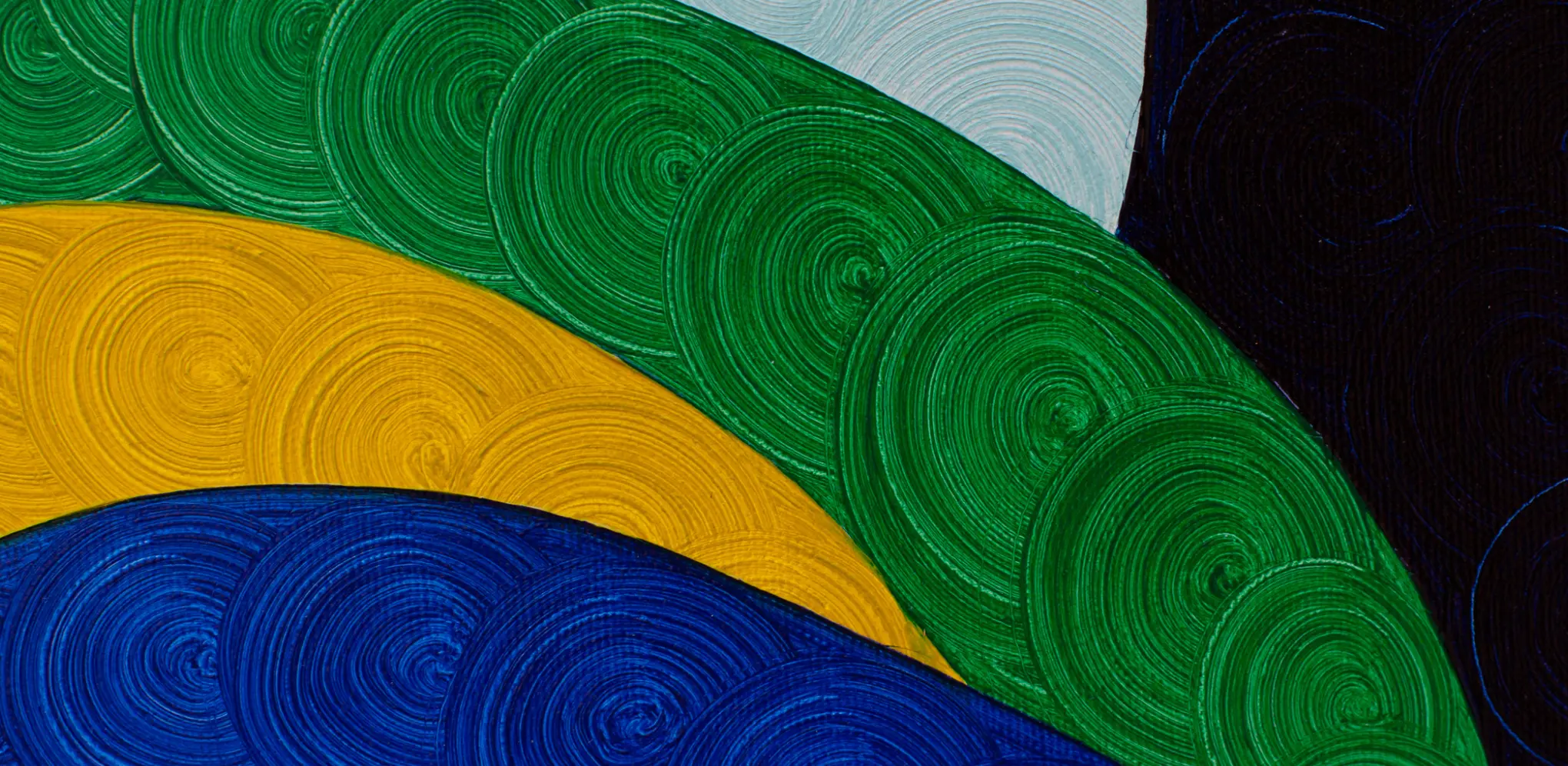
Metallic pigments play an essential role in the work. As light changes, the paintings transform with it, creating an active dialogue between artwork, space, and viewer. The image never appears entirely fixed, but instead moves visually throughout the day.
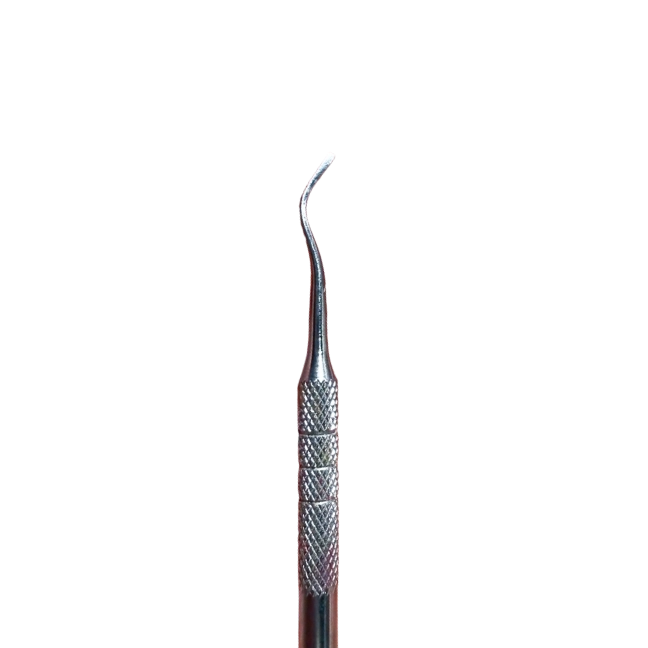
A common tool Kun employs is a metal instrument recommended by her dentist mother called a dental stickle scraper. This catalyst grants her the ability to carve and displace wet oil paint with surgical precision.
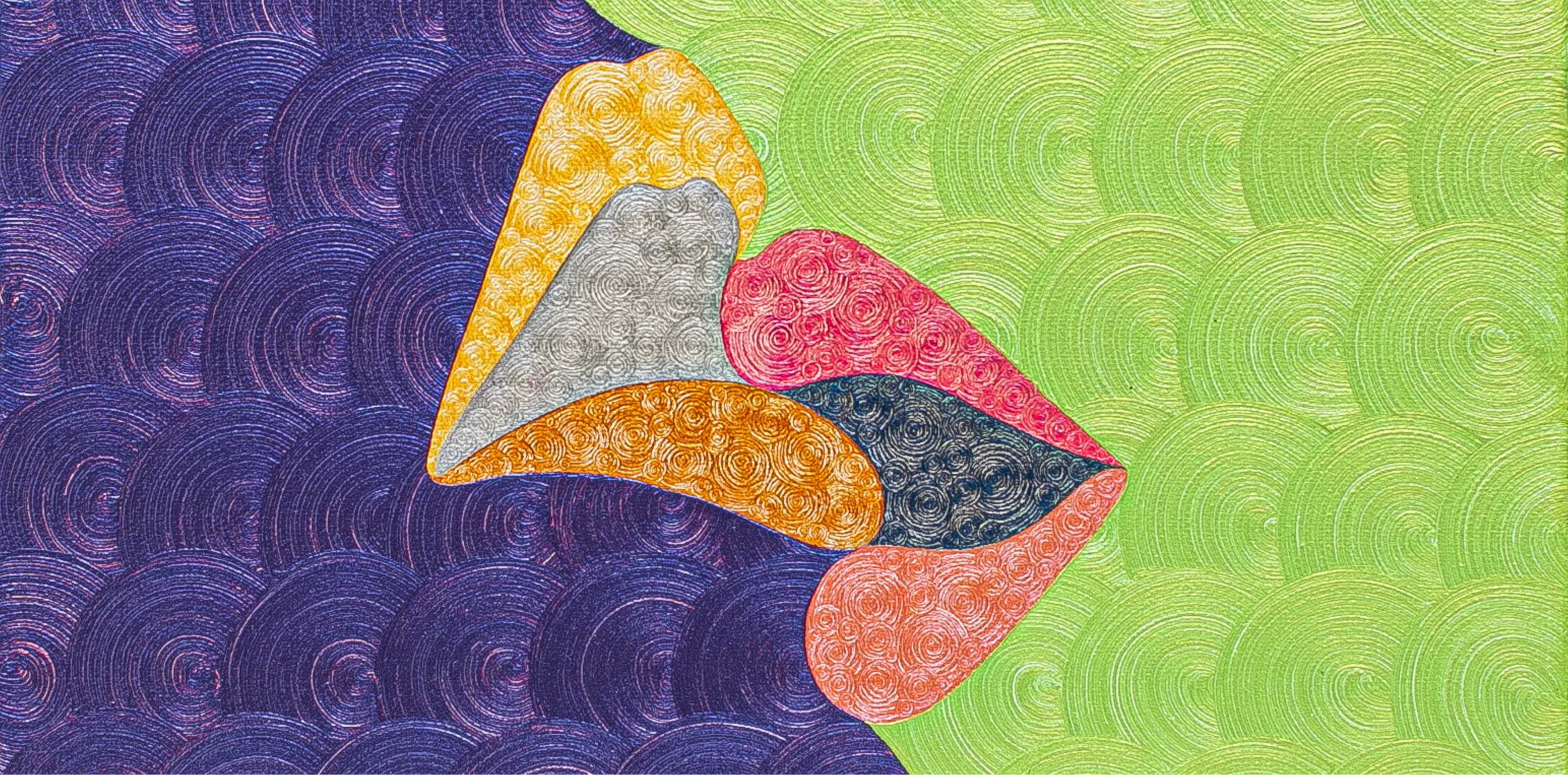
For Kun, TwiddleART functions as a painted meditation, where visual chaos slowly organizes itself into harmony. The process is both emotional and physical: repetitive motion becomes breathing, breathing becomes rhythm, and rhythm becomes presence.
Rather than illustrating a specific narrative, TwiddleART invites viewers into a sensory experience grounded in movement, reflection, and emotional absorption.
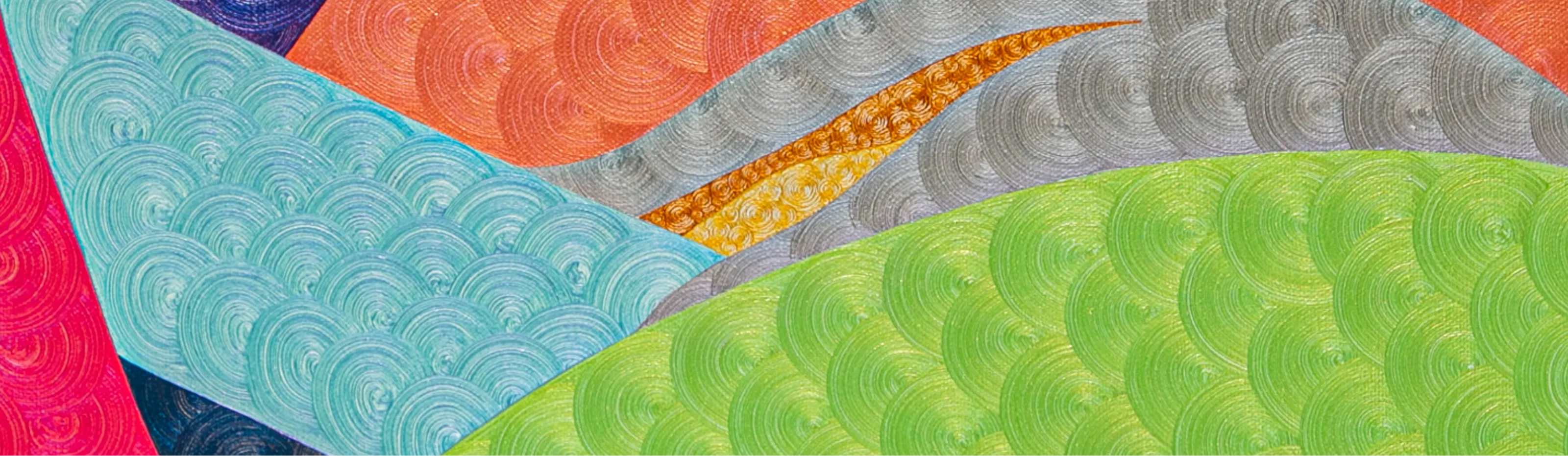
Rather than illustrating a specific narrative, TwiddleART invites viewers into a sensory experience grounded in movement, reflection, and emotional absorption.
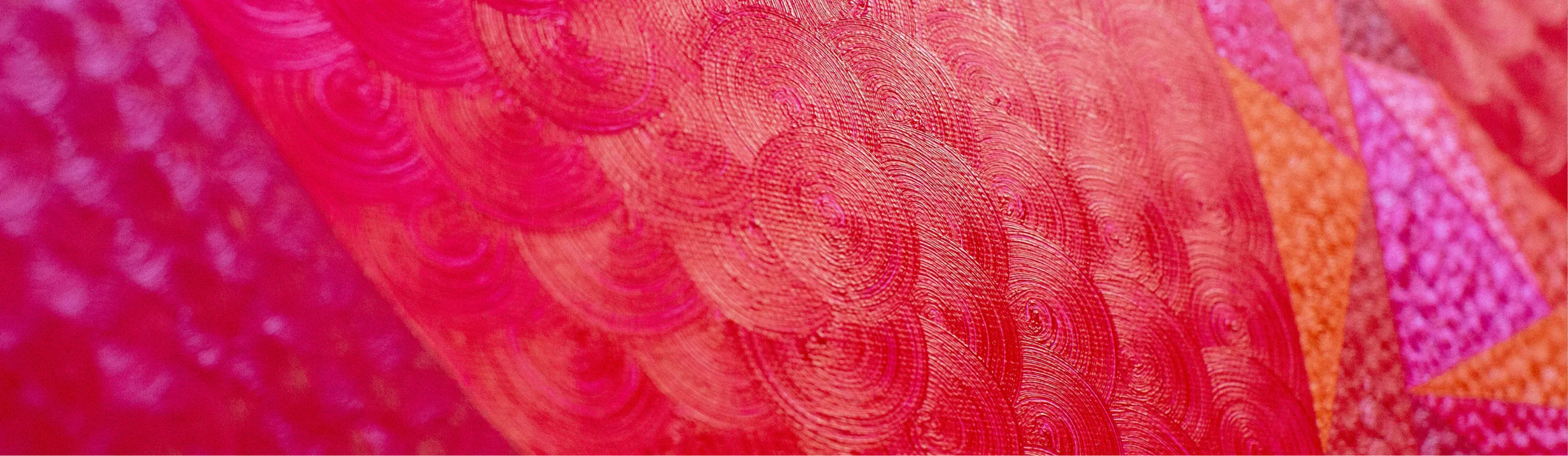
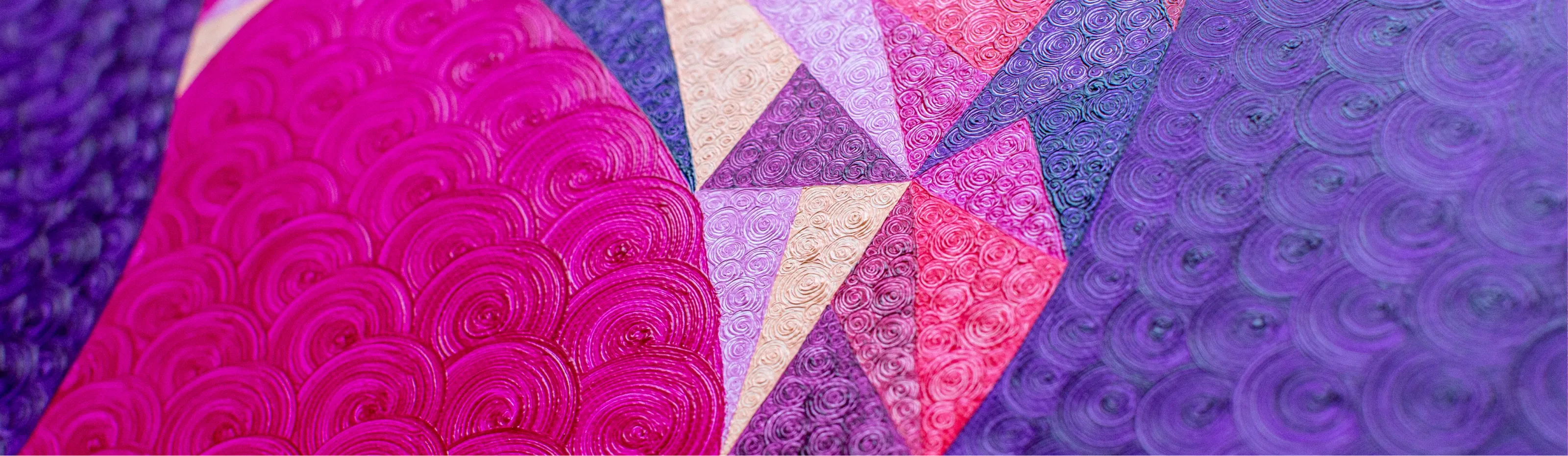
“TwiddleART is a painted meditation in which visual chaos becomes the harmony of the spiral.”